


Taiwan would "welcome" its president speaking to Trump as future arms sales in question
Taipei, Taiwan - Taiwan would "welcome" an opportunity for its leader to speak to US President Donald Trump after he raised the possibility, a senior Taiwanese diplomat said Monday.
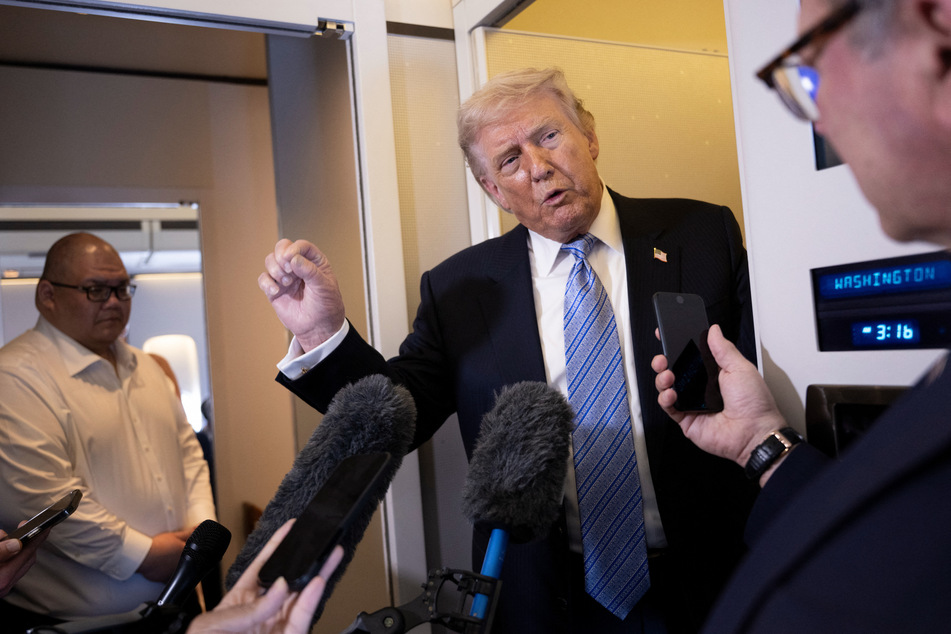
Trump told reporters on Friday that he had to speak to the man "running Taiwan" – an apparent reference to President Lai Ching-te – about arms sales.
A conversation between Lai and Trump would be a major break in US diplomatic policy and risk a rupture with China, which claims Taiwan is part of its territory.
Trump made the remarks to reporters aboard Air Force One on the way back to Washington after a summit in Beijing where Chinese President Xi Jinping had pushed him not to support Taiwan.

"I'm going to make a determination. I'm going to see," Trump said in response to a question about whether he would go ahead with arms sales to Taiwan.
"I have to speak to the person that right now is – you know who he is – that's running Taiwan."
Taiwan Deputy Foreign Minister Chen Ming-chi said the government was seeking confirmation from the US about whether Trump wanted to speak to Lai.
"We will use all channels to understand what the US side is actually thinking," Chen told reporters.
"We would of course very much welcome it," he said. "If they are willing to talk with our president, I think that would be a very good opportunity and also a rare opportunity."
Taiwanese president pushes back after Trump comments
In 2016, shortly after his first election victory, Trump accepted a phone call from then Taiwanese president Tsai Ing-wen, angering Beijing.
It was the first call between a Taiwanese leader and an incoming or serving US president since Washington switched recognition from Taipei to Beijing in 1979, and it stunned diplomats, world leaders, and China watchers.
Trump has caused jitters in Taipei after he suggested arms sales to Taiwan could be used as a bargaining chip with China, which has threatened to seize the island by force.
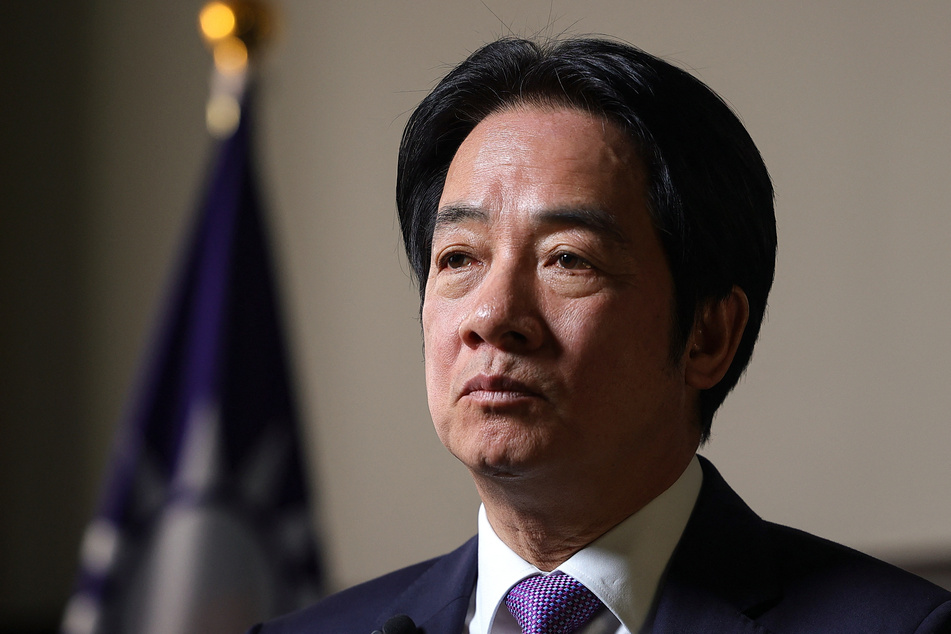
Lai and others in his government have pushed back, insisting such sales are part of Washington's security commitment to the island.
Taiwan was at the "core" of global interests and "will never be sacrificed or traded away," Lai said in a statement on Sunday.
The US is required under American law to provide weapons to Taiwan for its defense, but it has been ambiguous on whether US forces would come to its aid.
Chen said Trump had created "some anxiety" in Taiwan and the government was using "all the communication channels to understand the real meaning behind" his remarks.
"So far our understanding is there is no change even in the arms sale," Chen said, describing arms sales as the "cornerstone" of peace and stability across the Taiwan Strait.
Cover photo: Collage: BRENDAN SMIALOWSKI / AFP & YU CHEN CHENG / AFP