


Vance postpones trip to Switzerland for Iran talks
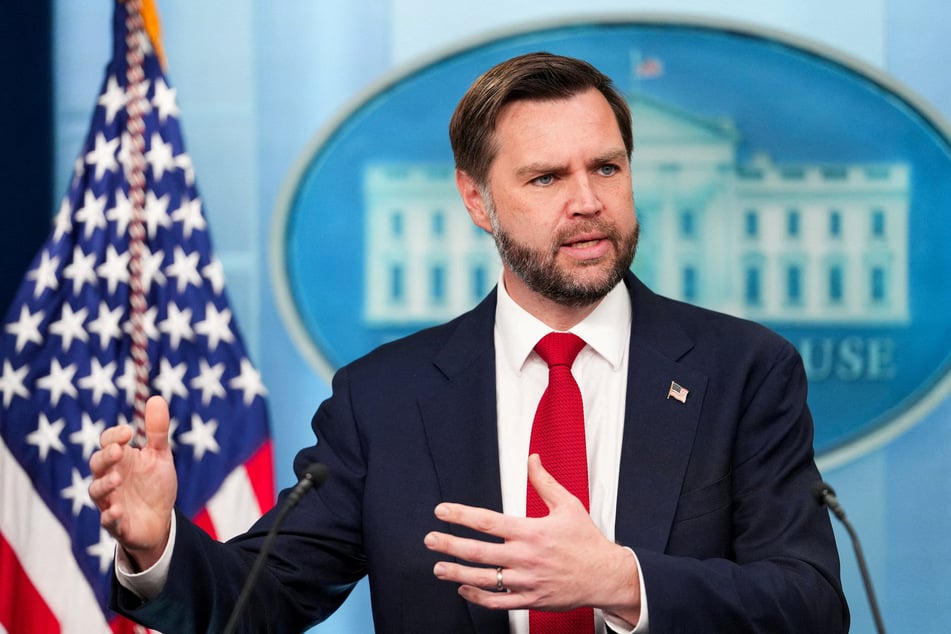
Washington DC - Vice President JD Vance postponed a trip to Switzerland for talks that were originally slated for Friday to discuss next steps with the US-Iran agreement on ending the war in the Middle East, according to the White House.
Iran's supreme leader Ayatollah Mojtaba Khamenei said Thursday that he had approved the agreement despite reservations, even as the US lifted a blockade of Iranian ports.
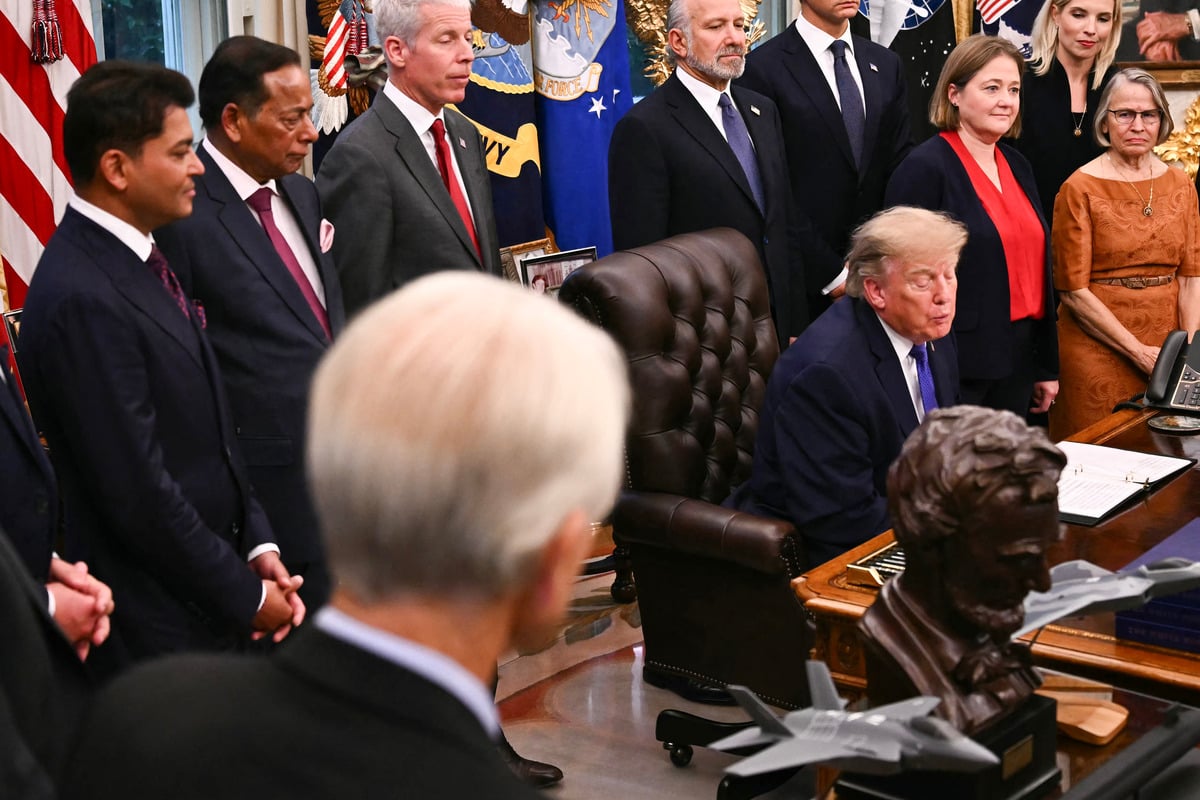
The signing of the deal on Wednesday by Trump and Iranian President Masoud Pezeshkian set in motion a 60-day period for talks on wider issues, including the Iranian nuclear program.
But there was uncertainty over the next steps, and it appeared unlikely that the two sides, who have had no diplomatic relations since soon after the 1979 Islamic revolution, would hold a signing ceremony and talks in Switzerland on Friday as previously announced.
"The logistics of these negotiations have never been simple or predictable. As of now the Vice President is not departing tonight," a White House spokesperson said late Thursday. "We look forward to beginning technical talks as soon as possible."
In Iran, the Tasnim agency said "nothing has been confirmed" about the Iranian delegation's trip to Switzerland.
Mojtaba Khamenei, who became supreme leader after his father and longstanding Iran ruler Ali Khamenei was killed in an airstrike on the first day of the war on February 28, said in a written statement that he had approved the deal despite having a "different view," without elaborating.
"But I issued my permission due to the commitment" made by officials including Pezheshkian to "protect the rights of the Iranian nation."
"Face-to-face negotiations" with the US will be held in the future, but that does not "mean accepting the enemy's point of view," he added.
On Friday, Iran's chief negotiator Mohammad Bagher Ghalibaf warned against any breach of the agreement on X: "In case of misconduct, breach of treaty and excess of the other side, we have no doubt that decisive respond will be given to the enemy."
American forces lift Strait of Hormuz naval blockade
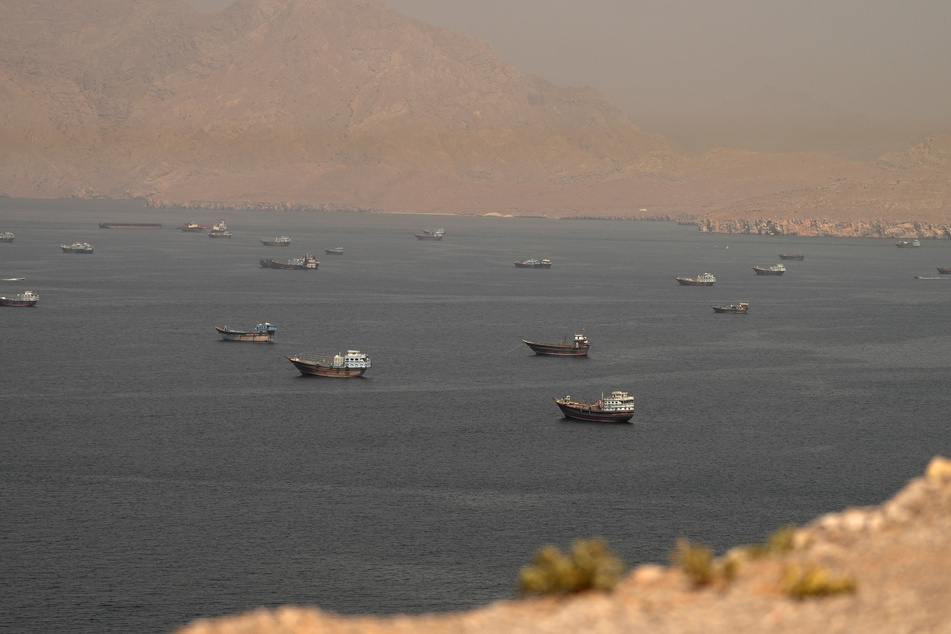
American forces on Thursday lifted their naval blockade of Iranian ports that had prevented ships from sailing to or from the Islamic republic, the US military said, noting that American warships "will remain in the general area."
Activity was still muted in the Strait of Hormuz, the strategic bottleneck for energy shipments that Iran blockaded during the conflict.
Three Saudi oil tankers left the Gulf through the strait on Thursday, maritime trackers said, as did a French vessel loaded with liquified natural gas.
Iranian state TV, citing a statement from the country's Supreme National Security Council, said that ships "seeking passage through the Strait of Hormuz must submit their request" to a new government body tasked with overseeing the waterway.
In keeping with the terms of the deal, it added, "no fees whatsoever will be collected from applicants for a period of sixty days."
The deal should bring an end to the current US-Israeli conflict with Iran, which saw five weeks of all-out war until a ceasefire was struck in early April.
In an interview with Axios, Trump argued that using military force to wring more concessions out of Tehran would have been counterproductive.
"The only way I can get tougher is if I go in there for another two or three weeks and continue to bomb the hell out of 'em. Right? But what does that get us? The Strait of Hormuz will not be open," Trump said.
"We wouldn't have oil for months," he said. "This is the kind of thing that could cause a worldwide depression."
Under the text, Washington commits to immediately waive oil sanctions crippling Iran's economy. And once a final agreement is reached on Iran's nuclear program, the US will facilitate the release of a $300 billion reconstruction fund supported by regional nations, the deal says.
Cover photo: REUTERS