

UN adopts resolution deeming trafficking of enslaved Africans "gravest crime against humanity"
New York, New York - Amid growing calls for reparations, the United Nations General Assembly on Wednesday passed a resolution designating the transatlantic trafficking and enslavement of African people as "the gravest crime against humanity."
The resolution passed with 123 votes in favor and 52 abstentions, including from many European countries. The US, Israel, and Argentina were the only UN member states to vote against.
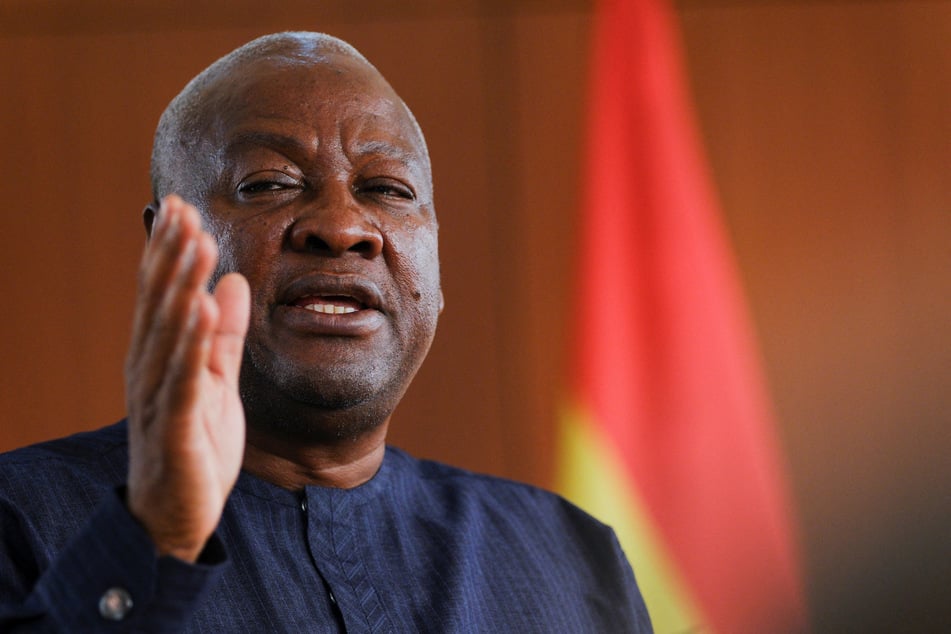
Ghana led the introduction of the resolution, which "declares the trafficking of enslaved Africans and racialized chattel enslavement of Africans as the gravest crime against humanity."
"Today, we reflect on a deep betrayal of human dignity, the abduction of millions of Africans, stolen from families and communities they would never see again, their trafficking across the Atlantic in conditions so cruel one in seven did not survive the journey, and their enslavement in the Americas, where generations were brutally exploited for their labor and denied their basic humanity," UN Secretary-General Antonio Guterres said at the start of the meeting.
"Now we must remove the persistent barriers that prevent so many people of African descent from exercising their rights and recognizing their potential," Guterres added.
Wednesday's historic vote took place on the International Day of Remembrance of the Victims of Slavery and the Transatlantic Slave Trade.
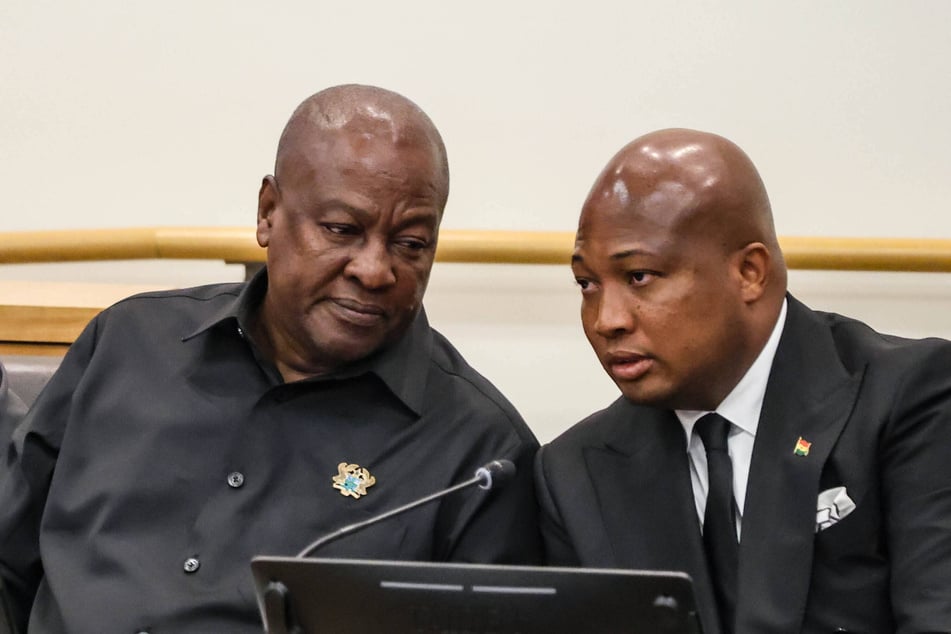
"Today, we come together in solemn solidarity to affirm truth and pursue a route to healing and reparative justice," Ghanaian President John Dramani Mahama told the General Assembly.
"The adoption of this resolution serves as a safeguard against forgetting. It also challenges the enduring scars of slavery."
US rejects legal right to reparations
The US did not support the resolution, claiming the proposed text was "highly problematic in countless respects."
A representative said, "The United States also does not recognize a legal right to reparations for historical wrongs that were not illegal under international law at the time they occurred."
"The United States strongly objects to the cynical use of historical wrongs as a leverage point in an attempt to reallocate modern resources to people and nations who are distantly related to the historical victims."
The US representative went on to claim that Donald Trump "has done more for Black Americans than any other president and enjoyed historic support from the Black community in the 2024 election."
The resolution's ultimate passage is expected to provide momentum to the growing reparations movement.
Esther Phillips, first poet laureate of Barbados, said, "There are spirits of the victims of slavery in this room in this moment, and they are listening for one word only: justice. Because for them and for the world, there can be no peace without justice – reparatory justice."
Cover photo: REUTERS