

Bonaire delegation at UN calls for international support: "We are on the brink of extinction"
New York, New York - Activists from the Dutch-controlled island of Bonaire traveled to the United Nations in New York last month to denounce what they have described as an immediate human rights crisis facing the native population.
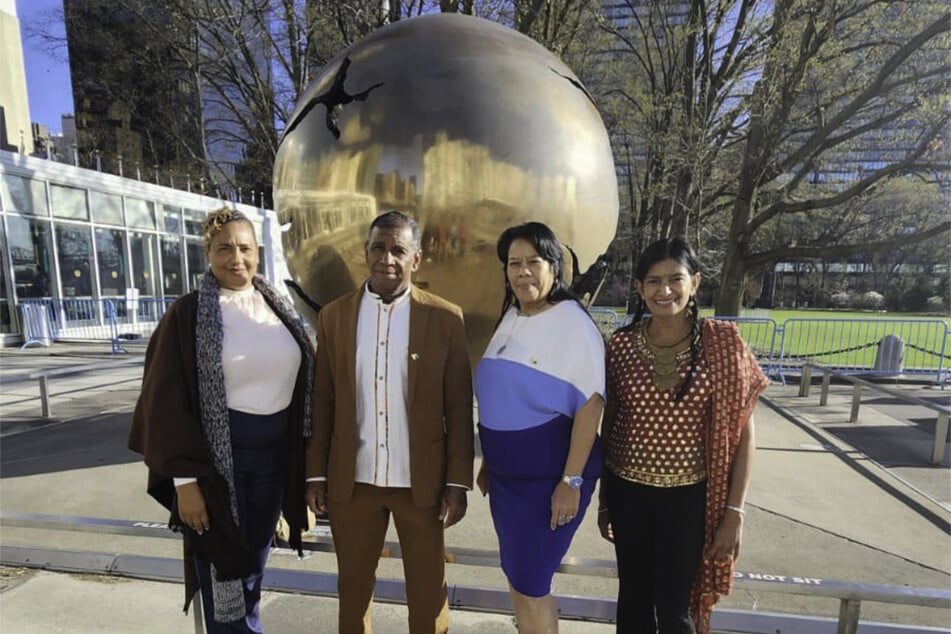
"As an educator and a proud daughter of this land, I stand before you deeply concerned as a new school system, imposed by our colonial rulers, threatens to indoctrinate our children – children of African descent – into a structure that disregards their roots, their identity, and their cultural values," Phenice Frans of Bonaire told the UN Permanent Forum on People of African Descent in April.
"Our children are being shaped into obedient followers, disconnected from their cultural and ancestral roots. This is not education. This is mental colonization," she said.
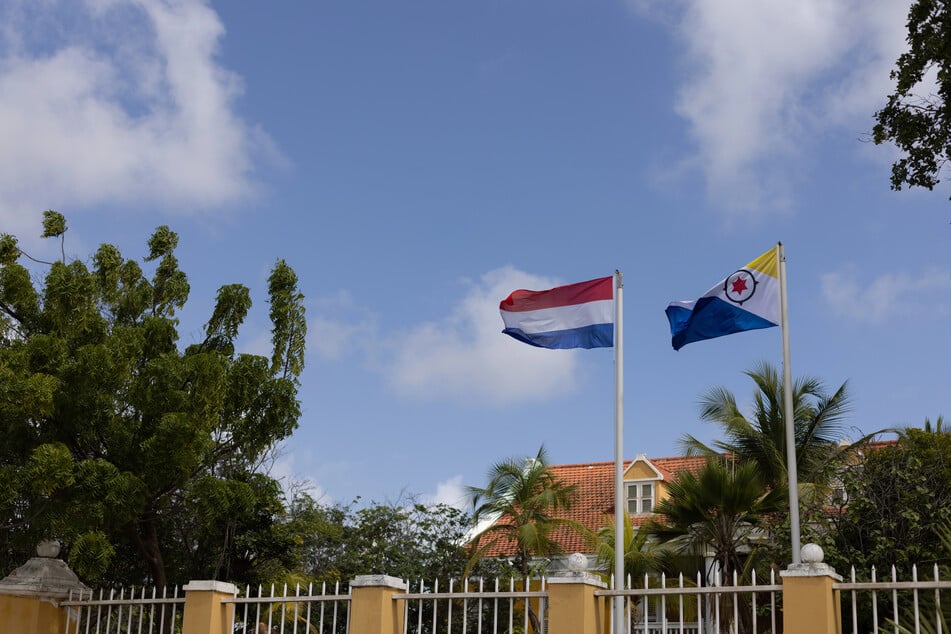
Located around 50 miles north of Venezuela, Bonaire was part of the autonomous Netherlands Antilles until October 10, 2010, when it was named a special municipality of the European country – without equal rights.
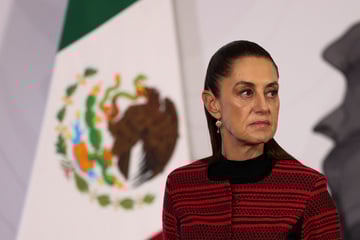
Bonaire held a popular referendum in 2015, in which 66% of participants voted that they did not agree with the island's current status under the Netherlands. The Dutch government responded by amending its constitution in 2017 to integrate Bonaire against the will of its people.
After the annexation, Bonerians started to notice major changes in what they have characterized as a settler-colonial program to replace the native population. Advocates at the UN testified that the Bonerian people – who accounted for around 80% of the island's inhabitants in 2010 – are down to just around 30% today.
One of the primary ways the Bonerian population is being harmed, activists said, is through the education system, which they say discriminates against native and Afrodescendant children.
"They don't teach our kids where they came from, our true history, our way of living, our way of growing up. The education system itself is based on what Holland wants us to be, and what we see clearly is that they don't want us to be like them," Frans told TAG24 NEWS in an interview on the sidelines of the Permanent Forum.
Discrimination in Bonaire's education system
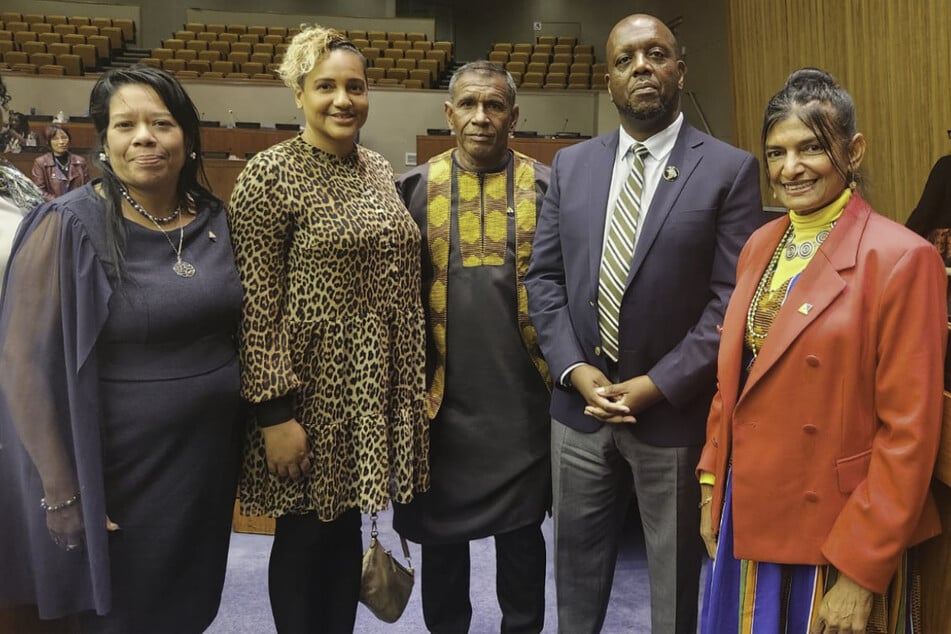
At Bonaire's only high school, the delegation at the UN said they have noticed a significant shift away from Bonerian teachers who speak the native language of Papiamentu in favor of Dutch-speaking educators.
"They give a class, and if the child doesn't understand it, they say it's your problem – you don't have the level, you are not intelligent enough to be there, so you have to go to a lower level," Joseline Thielman, a concerned mother of a 16-year-old, told TAG24 in New York.
These changes, which Thielman traces back to the time of the 2010 annexation, are also apparent in the elementary school system where Frans works.

"What I see is that the way the [Bonerian] kids are being educated is so they will do just what they [the Dutch] want them to do," Frans said. "They think Bonaire is a tourist island, so you don't have to be super intelligent. Keep [your ambitions] low."
One of the foremost ways Frans sees this discrimination at work is through testing. She said the intelligence of the students is often assessed based on how quickly they complete evaluations. This tends to leave Bonerian children behind, as they may need a little more time since the tests are conducted in Dutch, a foreign language to them.
Frans and Thielman have sent dozens letters to various authorities seeking change on behalf of native youth – so far, to no avail. Thielman even said she has experienced workplace discrimination and threats as a result of her advocacy.
"I'm feeling powerless, I'm feeling intimidated, and I'm feeling they want to silence my voice because I began to fight for my child," said the undaunted mother.
"I see the agenda they have: they want to get rid of all our Bonerian teachers so they can have the power to degrade all our Bonerian children using the excuse they don't understand Dutch, so they are not intelligent enough. That's what I came here to fight."
Rising economic injustice on Bonaire
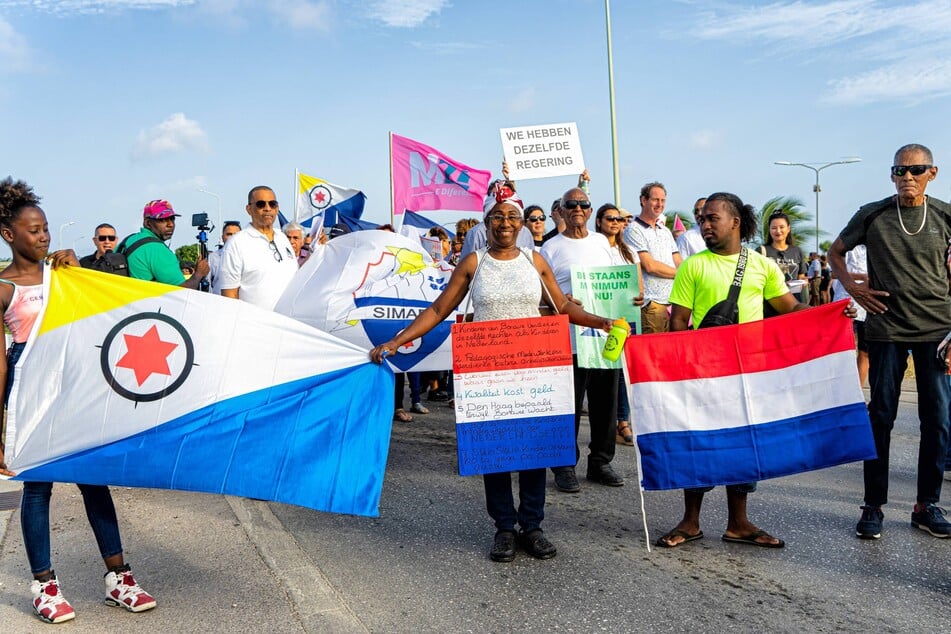
The Bonerian activists described the changes to the education system as just one way they see the Netherlands creating favorable conditions for European Dutch immigration at the expense of the native population.
Exorbitant property taxes have shuttered native businesses and ruined livelihoods, whereas immigrants from the Netherlands receive incentives from the Dutch government to settle on the island.
Prices for food, healthcare, housing, and other necessities are on the rise, with the native people increasingly priced out of basic resources.
Of the approximately 30,000 residents of the Caribbean Netherlands – comprised of Bonaire, Saba, and Sint Eustatius – around 11,000 were living below the poverty line in 2023, even though most of those people were employed.
"While they [the Dutch settlers] are on the island, they are living the life of small kings," said James Finies, who led the Bonerian delegation to the UN. "You will see them in the restaurants and on the seaside. Meanwhile, our people are working three jobs to survive."
The stark economic conditions have driven many native Bonerians to leave the island, Finies said, and have even led some to take their own lives.
Changes to Bonaire's healthcare system
Even more disturbing, Finies insisted, are substantial changes to the healthcare system on Bonaire.
One of the most significant developments is a law imposed by the Netherlands allowing medical providers to deny care to people over the age of 70, as well as the legalization of euthanasia in 2012, he explained.
"The Caribbean people of African descent are from religious beliefs that do not understand or approve of euthanasia ever, because we will fight to take care of our elderly until the last breath. That's how we are," Finies said.
Nevertheless, such "mercy killings" are practiced in Bonerian hospitals, many of which are staffed largely by Dutch doctors who do not speak their patients' native language of Papiamentu.
Finies described a situation he says is all too common: an elderly Bonerian is taken to hospital for care. They are treated by a doctor communicating with them in a foreign language. Often under sedation and without full awareness of the meaning of their actions, they sign a document authorizing euthanasia. This leaves family members powerless to intervene on behalf of their relative.
For elderly Bonerians, "the moment you come in the hospital, they start the process of moving you out of this world," the human rights leader lamented, as Thielman chimed in: "That's how they killed my mother."
Bonaire's continued legacy of enslavement
The Bonerian delegation said the cumulative effect of these harmful Dutch policies is a climate of fear, cultural erasure, and rising death rates among native people, even as the island's population is growing due to European immigration.
"Every day, we bury one person at least," Finies said. "Burial is folkloric cultural thing because we all know each other, and before, we would all go to the burial. Now, we have to choose."
He connected these experiences to the legacy of enslavement on the island.
The Dutch took over Bonaire in 1636 after Spanish colonization in 1527. It became a major plantation island with trafficked African peoples forced to labor under extreme and often deadly conditions in salt, sugar, and cotton production.
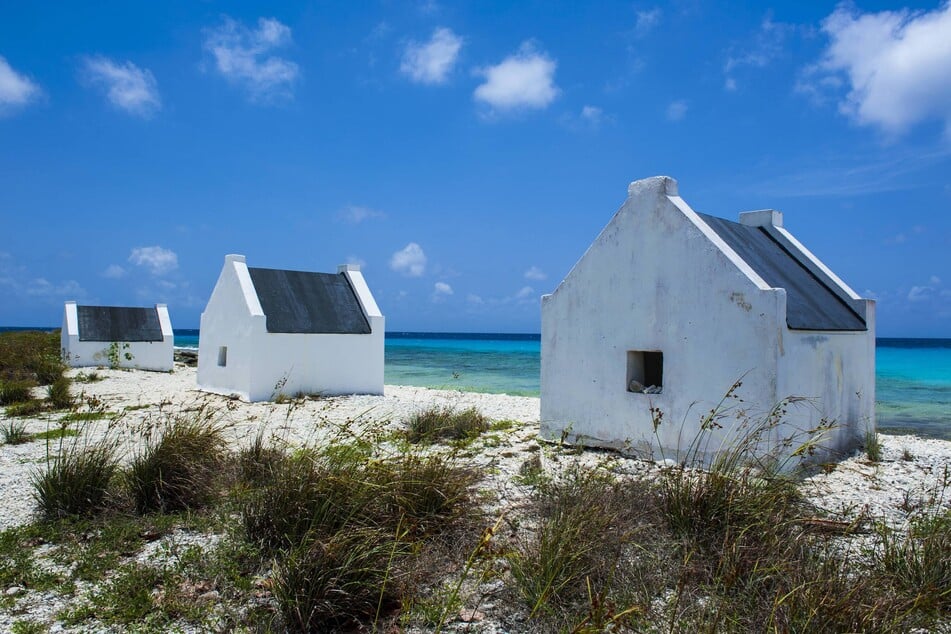
Today, one of the most popular tourist attractions on Bonaire is the "slave huts." The tiny structures lining the island's pristine southern shore were constructed in the 1850s – less than 10 years before the abolition of slavery in 1863.
"The slave hut symbolizes one of the biggest manipulations of our people and the world because the Dutch thought that when you see them, you will think they were good for slaves because they gave them houses," Finies said.
In reality, shortly after emancipation, the government plantation of Bonaire was divided into smaller plots controlled by wealthy families. Formerly enslaved people continued to labor not for cash but for credit, which they used to acquire food and clothes in the plantation owner's store.
Finies, whose father and grandfather worked on such plantations, said, "The Dutch make it hard for the world to see us, and what they see out there is propaganda. Propaganda because Holland has the image of being one of the world's most liberal, philanthropic nations."
The fight to save Bonaire
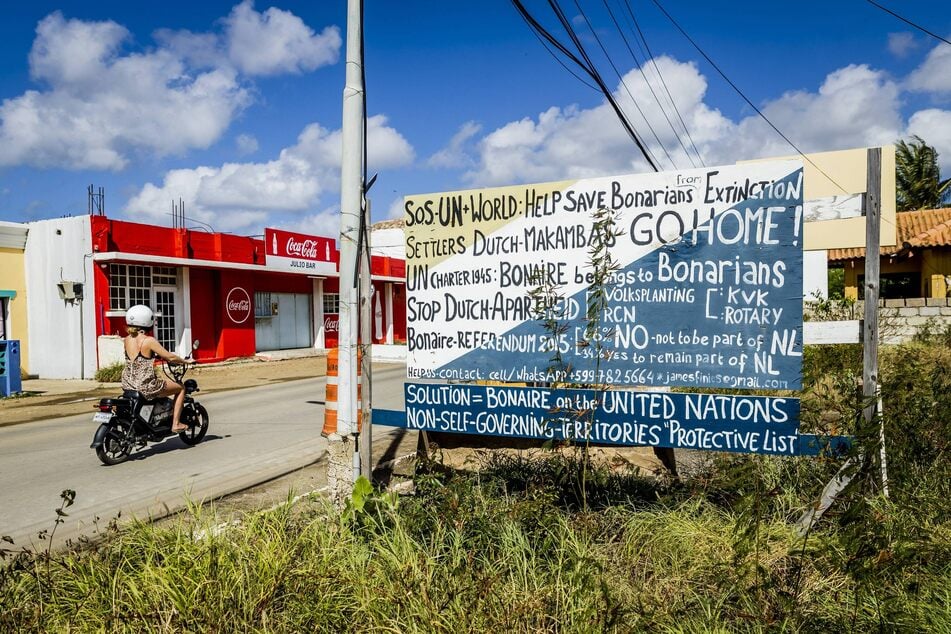
The Bonerian activists are now fighting for restoration of dignity and self-determination rights as guaranteed under international law.
Frustrated by injustices in the domestic political and legal systems, activists are campaigning for Bonaire's reinstatement to the UN list of Non-Self-Governing Territories (NSGTs), which are defined as "territories whose people have not yet attained a full measure of self-government."
Countries classified by the UN as administering powers are required to submit annual information reports on the development of the people in the NSGTs.
In recent years, Finies and Davika Bissessar, president of the Bonaire Human Rights Organization, have been on the road to raise awareness of the dire conditions on the island and the need for formal recognition on the NSGT list.
"What we are doing is not for the faint. It's hard work, and it requires consistency," Bissessar said, adding: "Holland is the only major colonizer that has no obligation to report to the United Nations about the colonies."
Finies and the Muhernan Fuerte ("Strong Women") who support him have already seen significant results from their relentless advocacy. Both the Mercosur economic and political block of South American countries and the Organisation of Eastern Caribbean States have passed resolutions in support of Bonaire's re-inclusion on the NSGT list.
Now, the Bonerians are calling on the Caribbean Community to back their bid for recognition and supervision by the UN Special Committee on Decolonization. They sent a letter earlier this year to Chair Mia Amor Mottley to this effect, but have so far not received a response.
"We Bonerians are on the brink of extinction," Finies warned. "If this message doesn't get through, we will disappear because alone, we have no power to stop this."
Cover photo: Courtesy of Davika Bissessar