

Canada now advises Indigenous people to carry passports for US travel
Ottawa, Canada - Canada has updated its guidance for Indigenous people crossing the border into the US, recommending they now carry a passport while traveling, in a significant departure from historic practice.
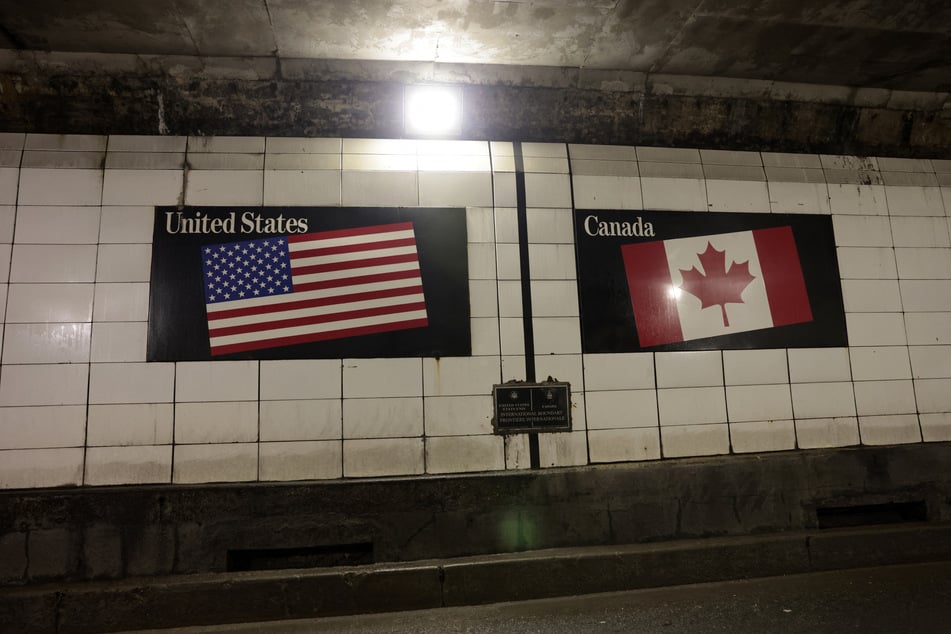
For many Indigenous and First Nations people living in Canada, the US‑Canadian border amounts to an arbitrary line that divided the continuous territory of individual nations, such as the Ojibway and Mohawk.
In 1794, the newly established US and the British monarchy – which then directly governed Canada – signed an agreement known as the Jay Treaty, assuring free cross‑border travel to Indigenous people on both sides of the border.
The treaty remains in force, and previously Canada advised Indigenous people that, to enter the US, they only needed to carry a "secure status card," documentation also known by an earlier name: the "Secure Certificate of Indian Status."
But in guidance updated late Thursday, Indigenous Services Canada (ISC) now says: "While you may have previously crossed the Canada‑US border with only a secure status card, ISC now strongly recommends also carrying a valid passport when travelling outside of Canada."
"Acceptance of all status cards is entirely at the discretion of US officials," the new guidance says.
ICE accused of "mistreating" Indigenous travelers
Not all Indigenous and First Nations people in Canada have passports.
In an article posted this week, the law firm MLT Aikins said "the right to free and unimpeded movement across this artificial (border) represents an important continuation of community, culture and kinship."
The firm warned that there have been several incidents involving US Immigration and Customs Enforcement agents and Indigenous travelers – including people carrying valid documentation – that have "ended in detainment, interrogation and even reports of mistreatment."
Those events call "into question whether these long‑standing mobility rights will continue to be respected at the border," the firm said.
Cover photo: JEFF KOWALSKY / AFP