

Trump to decide "soon" on whether to send weapons to Taiwan
Washington DC - President Donald Trump said on Monday he will soon decide whether to send more weapons to Taiwan despite warnings from Chinese President Xi Jinping.
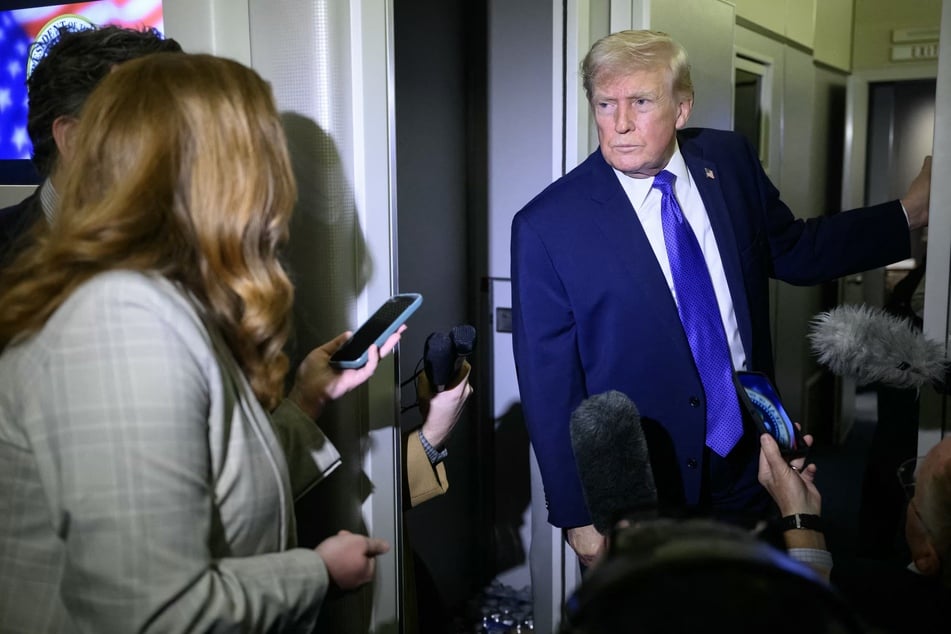
"We have a response; I have a response," Trump told reporters aboard Air Force One when asked about his response to Xi's opposition to US arms sales to Taiwan. "I'm talking to him about it."
"We had a good conversation, and we'll make a determination pretty soon. We have a very good relationship with President Xi. In fact, I think I'll be going, I guess, in April."
Beijing has long touted Taiwan as part of its sovereign territory, despite the island nation being democratically self-governed since the Chinese Communist Party seized power in 1949.
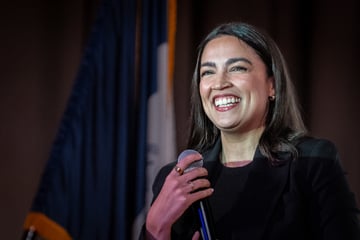
In a phone call with Trump on February 4, Xi called for "mutual respect" in relations with the US but also warned Washington against making arms sales to the island.
"The Taiwan question is the most important issue in China-US relations... The US must handle arms sales to Taiwan with caution," Xi said, according to China's state broadcaster.
China has sanctioned dozens of US firms and struck back at the US over major defense deals and arms sales signed throughout Trump's second term.
While Washington does not officially recognize Taiwan, it has long been the territory's main military backer. In December, the US approved the sale of $11 billion worth of arms.
The transaction stoked tensions with China, which has not ruled out the use of violent force to annex Taiwan. Beijing launched a series of major live-fire drills in response.
US' turbulent relations with China over Taiwan
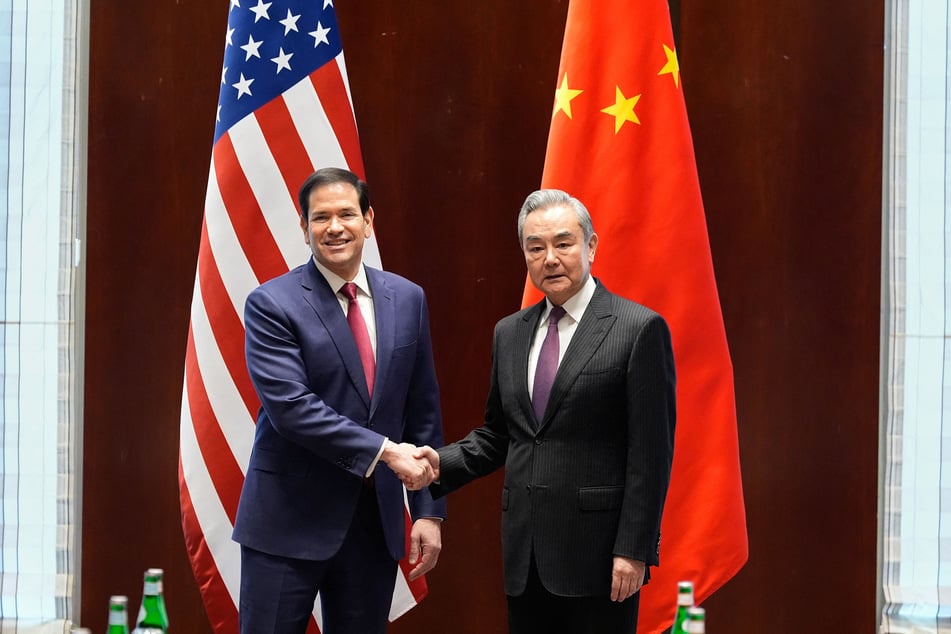
Trump's comments on Air Force One came only days after Chinese Foreign Minister Wang Yi met with Secretary of State Marco Rubio on the sidelines of the 2026 Munich Security Conference.
On Saturday, Wang warned the US against "plotting" on Taiwan and said that it could potentially lead to a "confrontation" with China.
Wang called the US a "country seeking to magnify differences and disagreements, put itself above everyone else, stoke bloc confrontation, and even revive the Cold War mentality."
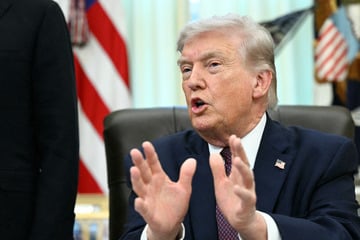
Taiwan has spent many billions of dollars upgrading its military in the past decade but faces growing US pressure to do more.
Taiwan's President Lai Ching-te has proposed $40 billion in extra defense spending by his government over eight years, but the plan has been blocked by parliament, which is controlled by the opposition Kuomintang Party.
In an exclusive interview with AFP last week, President Lai said he was confident the defense budget would be passed.
China's foreign ministry, however, hit back at Lai and said that no matter what he says or does, "it cannot change the historical and legal fact that Taiwan is part of China's territory."
"Lai Ching-te's remarks once again exposed his stubborn pro-independence nature, fully proving that he is a peace disruptor, crisis creator, and war instigator," said foreign ministry spokesperson Lin Jian.
Cover photo: AFP/Mandel Ngan