

Trump gives Russia green light to deliver oil to Cuba amid blockade
Washington DC - President Donald Trump said Sunday that Moscow could send oil to Cuba despite Washington's de facto fuel blockade, as a Russian tanker was expected to deliver some much-needed crude to the crisis-hit island.
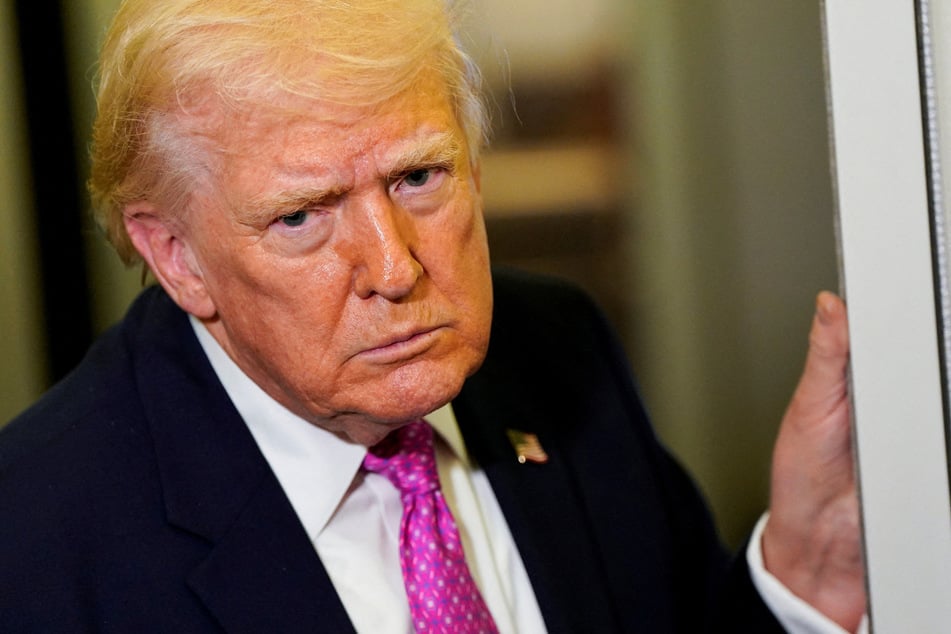
While the shipment would give the country some relief, Trump renewed his threats against the communist government, predicting that it would fail "within a short period of time."
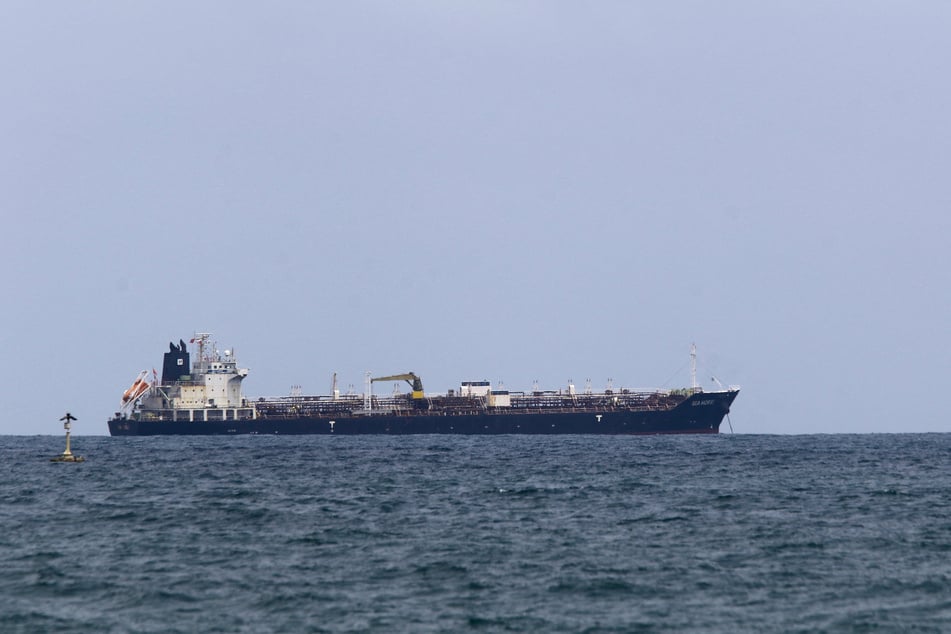
The Anatoly Kolodkin, which is carrying 730,000 barrels of crude, was off northeast Cuba on Sunday evening and is expected to dock in the western port of Matanzas by Tuesday, according to shipping tracker MarineTraffic.
It would be the first shipment of oil to the island since January, bringing some temporary relief to the country of 9.6 million people that has endured a deepening energy and economic crisis.

"If a country wants to send some oil into Cuba right now, I have no problem with that, whether it's Russia or not," Trump told reporters as he flew back to Washington from his Mar-a-Lago estate in Florida.
"Cuba's finished, they have a bad regime, they have very bad and corrupt leadership, and whether or not they get a boat of oil it's not going to matter," Trump said.
"I'd prefer letting it in, whether it's Russia or anybody else, because the people need heat and cooling and all of the other things that you need," he added.
Cuba lost its main regional ally and oil supplier in January when US forces abducted Venezuela's socialist leader Nicolas Maduro.
Trump subsequently threatened to impose tariffs on any country sending oil to Cuba and has mused about "taking" the island.
"Within a short period of time, it's going to fail, and we will be there to help it out," he said Sunday. "We'll be there to help our great Cuban Americans out who were thrown out of Cuba, in many cases, their family members were mutilated and killed by (Fidel) Castro...Cuba's going to be next."
Cuba experiences daily outages
After Washington launched the oil blockade, President Miguel Diaz-Canel imposed emergency measures to conserve fuel, including strict rationing of gasoline.
He warned this month that "any external aggressor will encounter an unbreakable resistance."
Fuel prices have soared, public transport has dwindled, and some airlines have suspended flights to Cuba, hitting the country's fragile economy.

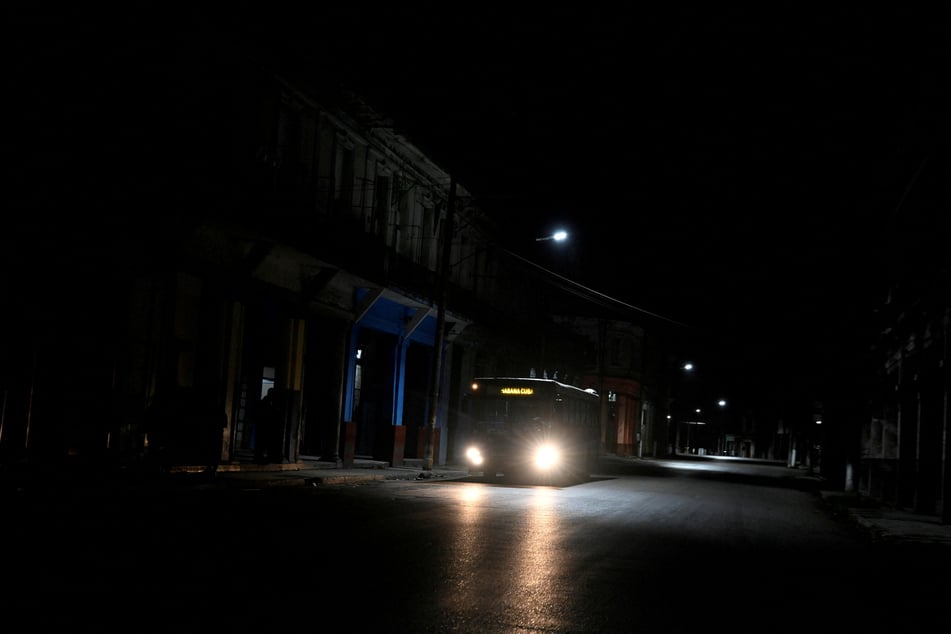
Cubans have endured regular outages as its aging power plants struggle to meet demand, with seven nationwide blackouts since 2024, including two this month, sparking rare protests.
A humanitarian aid convoy brought more than 50 tonnes of medicine, food, solar panels, and other goods to Cuba by air and sea in recent days.
The Anatoly Kolodkin, which is under US sanctions, left the Russian port of Primorsk on March 8. It was escorted by a Russian navy ship across the English Channel, but the two vessels parted ways when the tanker entered the Atlantic Ocean, according to the British Royal Navy.
The New York Times, citing an unnamed US official briefed on the matter, said the US Coast Guard was allowing the tanker to reach Cuba.
The US Coast Guard did not reply to an AFP request for comment.
Another ship that was reportedly carrying Russian diesel to Cuba, the Hong Kong-flagged Sea Horse, rerouted to Venezuela this week.
Cuba has "urgent need" of diesel
Once the Anatoly Kolodkin's crude arrives in Cuba, it would take about 15-20 days to process the oil and another 5-10 days to deliver its refined products, according to Jorge Pinon, an expert on Cuba's energy sector at the University of Texas at Austin.
"The urgent need today in Cuba is diesel," the former oil executive said.
The Russian shipment could be converted into 250,000 barrels of diesel, enough to cover the country's demand for around 12.5 days, Pinon said.
Pinon said the government would have to decide whether to use the fuel for backup power generators or for buses, tractors, and trains needed to keep the economy going for two weeks.
"If you are Diaz-Canel or somebody making the decision, you go, 'OK, where where do I go with that diesel?'" he said.
"Do I want to generate more electricity so there are less apagones (blackouts)? Or do I want to put it in the transportation sector?"
Cover photo: Collage: REUTERS