


Venezuela interim President Delcy Rodriguez "not afraid" of diplomatic clash with US
Caracas, Venezuela - Venezuela's interim president Delcy Rodriguez said Thursday her government does not fear diplomatic confrontation with the US, which ousted her predecessor Nicolás Maduro in a January 3 military strike.
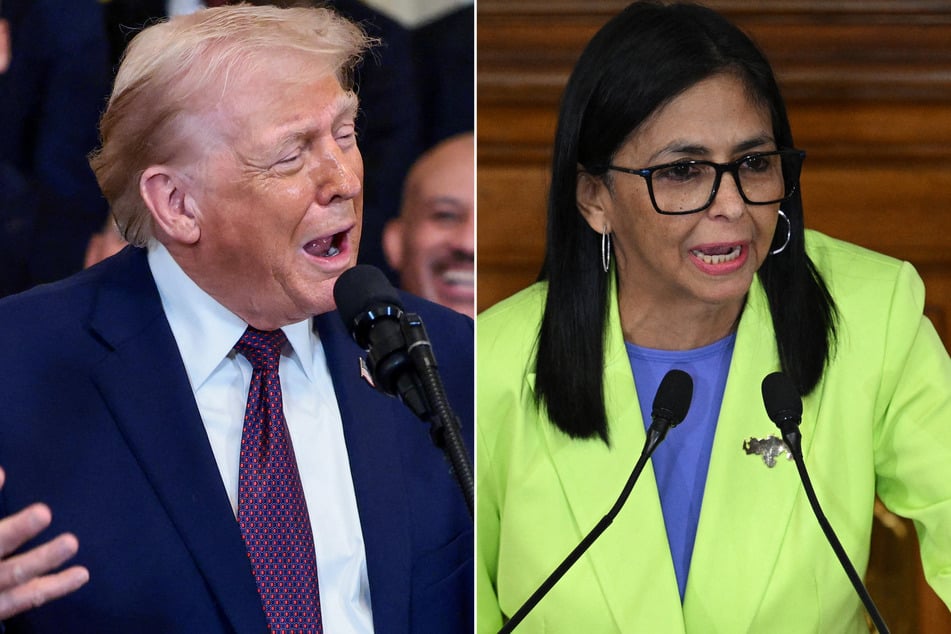
"We know they are very powerful. We know they are a lethal nuclear power... We are not afraid to confront them diplomatically, through political dialogue," said Rodriguez.
Rodriguez was Maduro's vice president and a vocal ally of the ousted leftist, but US President Donald Trump agreed to work with her as long as her government toes Washington's line – particularly on access to Venezuela's vast oil resources.
In Maduro's absence, Rodriguez delivered his state of the nation address to parliament, and received loud applause.

She told lawmakers she had asked Washington to show "respect for the dignity" of Maduro, who faces drug trafficking charges in the US.
Rodriguez talked by telephone Wednesday to Trump, who went on to describe her as "a terrific person."
Trump said on social media he and Rodriguez had discussed "many topics," including oil, minerals, trade, and national security.
"We are making tremendous progress," the Republican said.
Rodriguez has been walking a diplomatic tightrope, trying to meet Trump's demands without alienating Maduro loyalists who control Venezuela's security forces and feared paramilitaries.
Trump praises "terrific" interim leader Rodriguez after phone call
She described her call with the US leader as "productive and courteous" and characterized by "mutual respect."
On Thursday, she said that if she must ever visit Washington as interim president, "I will go standing, walking, not dragged," in an apparent allusion to US forces whisking Maduro and his wife away in handcuffs to stand trial in New York.
Trump has so far cold-shouldered Venezuela's opposition, which is widely considered to have won July 2024 presidential elections, but on Thursday he met its leader Maria Corina Machado for what the White House called "positive" talks.
Cover photo: Collage: REUTERS & FEDERICO PARRA / AFP