

Venezuela says DNA testing still needed to ID victims of US attacks
Caracas, Venezuela - Venezuela said Tuesday it was still working to identify some of the victims of the US bombing raid in which leader Nicolás Maduro was captured ten days ago.
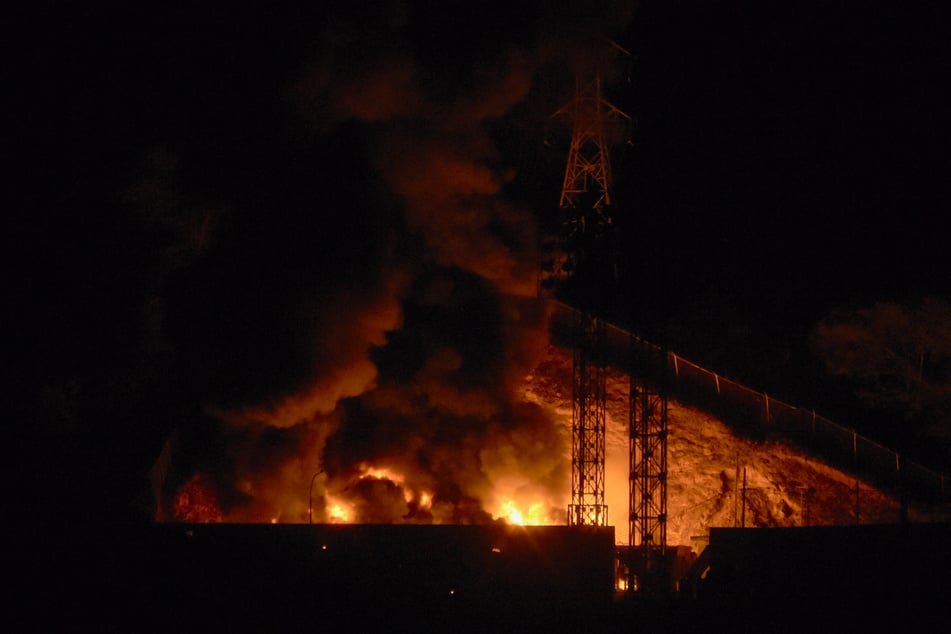
At least 100 people were killed in the January 3 air strikes on Caracas and surrounding areas and in the raid on Maduro's military compound, according to Venezuelan authorities.
Around half were security force members from Venezuela or close ally Cuba, which provided Maduro's security detail.
The attack culminated in the capture of 63-year-old Maduro and his wife, who were spirited out of the country to a jail in New York, where they await trial on drugs and weapons charges.
Interior Minister Diosdado Cabello, a hardliner in the Maduro administration who has kept his job under new interim leader Delcy Rodriguez, said the bombardments left some of the bodies in "little pieces."
He said forensic experts were carrying out DNA testing on the remains to help determine the victims' identities.
"They carried out a complete outrage against Venezuela while people were sleeping," he said.
The authoritarian Maduro had a $50 million bounty on his head.
Washington is offering $25 million for the capture of Cabello, who controls the intelligence services and the feared "colectivos" – a gun-toting, motorbike-riding militia that intimidates opponents of the ruling party.
While repeatedly condemning Maduro's capture and calling for his liberation, Cabello has sought to convince Venezuelans that Maduro loyalists are still in control of the country.
"The country is calm, the country is at peace, the country is returning to normal internally," he said, adding: "We have to move forward."
Cover photo: LUIS JAIMES / AFP