

Trump's border czar hints at extended presence of ICE at airports despite order paying TSA
Washington DC - President Donald Trump's Border Czar Tom Homan recently revealed that the administration doesn't plan to remove Immigration and Customs Enforcement agents from airports, even as Transportation Security Administration workers begin receiving pay again.
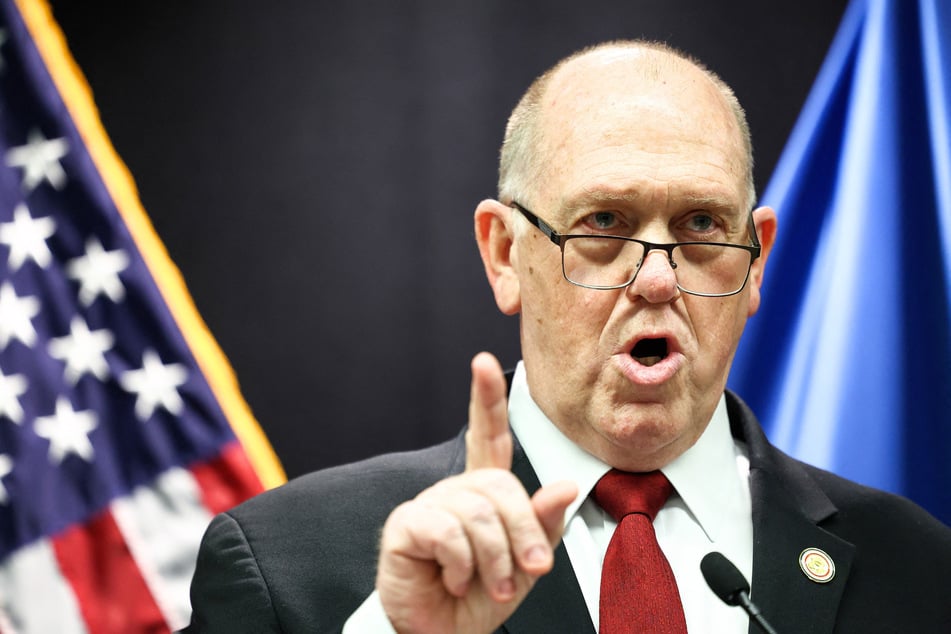
On Sunday, Homan sat for an interview on the CBS News show Face the Nation, during which he explained that ICE's job is far from over.
"Look, we're going to continue a nice presence there, and until the airports feel like they're 100%, you know, in a posture where they can do normal operations," Homan said.
His remarks come as a partial government shutdown has caused the TSA, which operates under the Department of Homeland Security, to go unpaid for the past 40 days, resulting in more than 500 workers quitting.
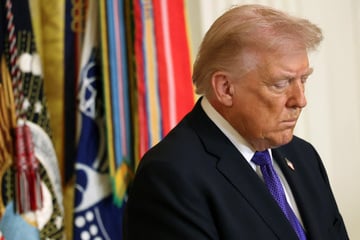
Homan went on to say, "If less TSA agents come back, that means we'll keep more ICE agents there."
"The president has been clear: He wants to secure those airports, especially, as I said earlier, in an increased threat posture," he continued.
"We'll be there as long as they need us, until they get back to normal operations and feel like those airports are secure."
No end in sight
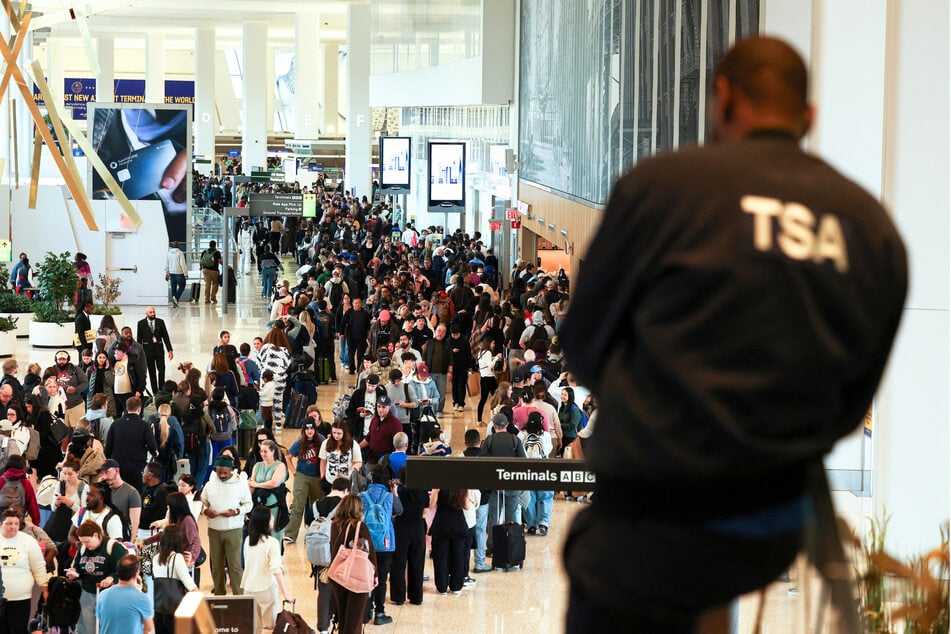
The partial shutdown has strained TSA workers, resulting in wildly long wait times at airports across the country.
Democrats and Republicans have gone back and forth with blaming each other, as the two parties cannot come to an agreement on funding for DHS.
Over the weekend, Trump signed an executive order instructing DHS to pay TSA workers.
The Senate also pushed forward a funding deal that was rejected by the House, which proposed an alternative stopgap bill and passed by 213 to 203 votes.
Both chambers will need to pass the same bill before it can be moved to the president's desk for signing.
Trump's decision to send ICE to airports has been met with heavy scrutiny, especially as numerous agents have been filmed and photographed not really doing much of anything.
Cover photo: CHARLY TRIBALLEAU / AFP