

Cuban president vows not to resign under US pressure in first TV interview with American broadcaster
Havana, Cuba - Cuban President Miguel Diaz-Canel said Thursday that he would not resign under US pressure and called for open dialogue in his first television interview with an American broadcaster.
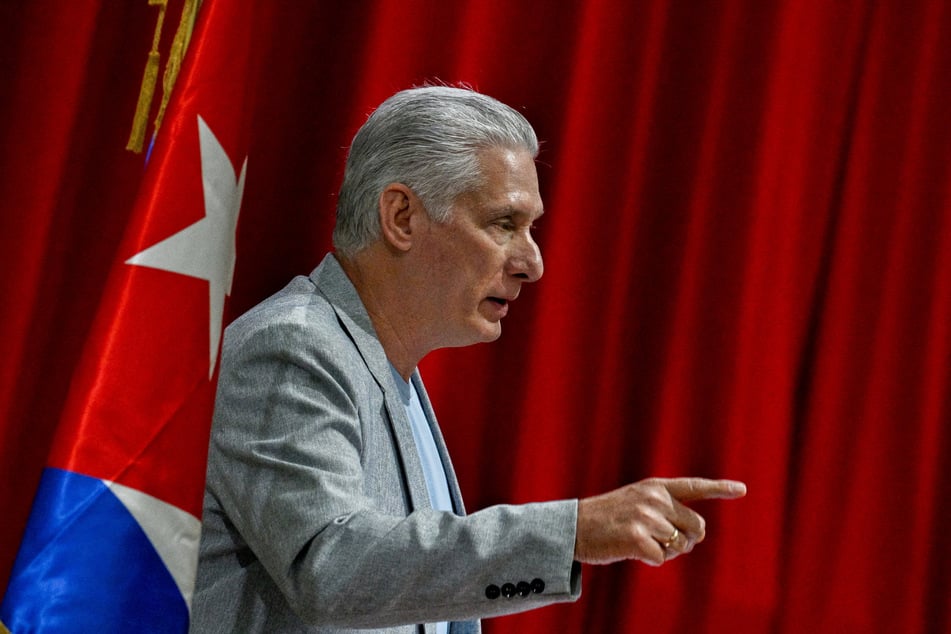
"We have a free sovereign state, a free state. We have self-determination and independence, and we are not subjected to the designs of the United States," Diaz-Canel told NBC News, according to their translation of his remarks.
"The US government that has implemented that hostile policy against Cuba has no moral to demand anything from Cuba," the 65-year-old leader added.
"The concept of revolutionaries giving up and stepping down – it's not part of our vocabulary."

Washington has waged a pressure campaign on communist-ruled Cuba, imposing a virtual fuel blockade on the island by threatening tariffs on any country that attempts to sell oil to the island.
Cuba has been in the throes of an energy crisis since January when its main supply from Venezuela was cut off with the abduction of the country's president, Nicolas Maduro.
The Caribbean island has been under a US trade embargo for more than six decades.
Diaz-Canel says Cuba wants to "engage in dialogue"
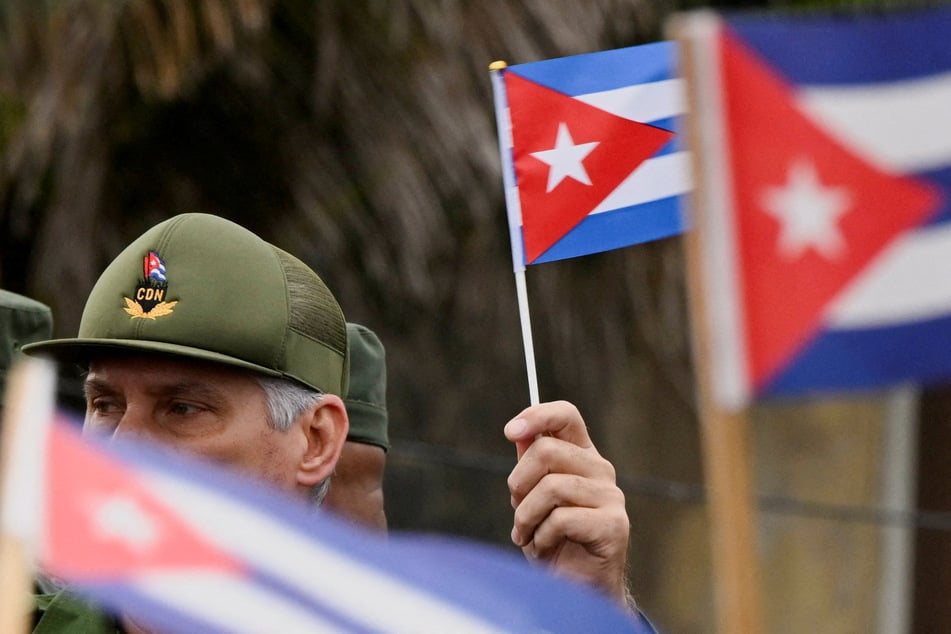
Trump has openly floated the idea of "taking" Cuba – as he has with Greenland, Canada, and Venezuela – and his administration labels leaders in Havana a "threat" to US national security.
Last month, Diaz-Canel vowed "unbreakable resistance" to any such takeover effort.
US Secretary of State Marco Rubio, who is of Cuban descent, has taken the reins of negotiations with Havana and has called for major changes to Cuba's leadership.
But Rubio denies calling for Diaz-Canel's resignation.
The Cuban leader told NBC that Havana wants "to engage in dialogue and discuss any topic without any condition – not demanding changes from our political system, as we are not demanding changes from the American system, about which we have a number of doubts."
Cuba's Deputy Foreign Minister Josefina Vidal told AFP on Tuesday that talks with the US were "in a very preliminary, very initial phase."
Despite bilateral tensions, the US allowed a shipment of crude oil from a Russian tanker to be unloaded in Cuba over a week ago.
Cover photo: REUTERS