


"Alaska is an apartheid state": Indigenous Alaskans' long fight for sovereignty and decolonization
Geneva, Switzerland - Alaska Natives have fought for self-determination rights amid generations of colonial control. Now, Indigenous rights' advocates are once again calling on the international community to support their struggle for justice.
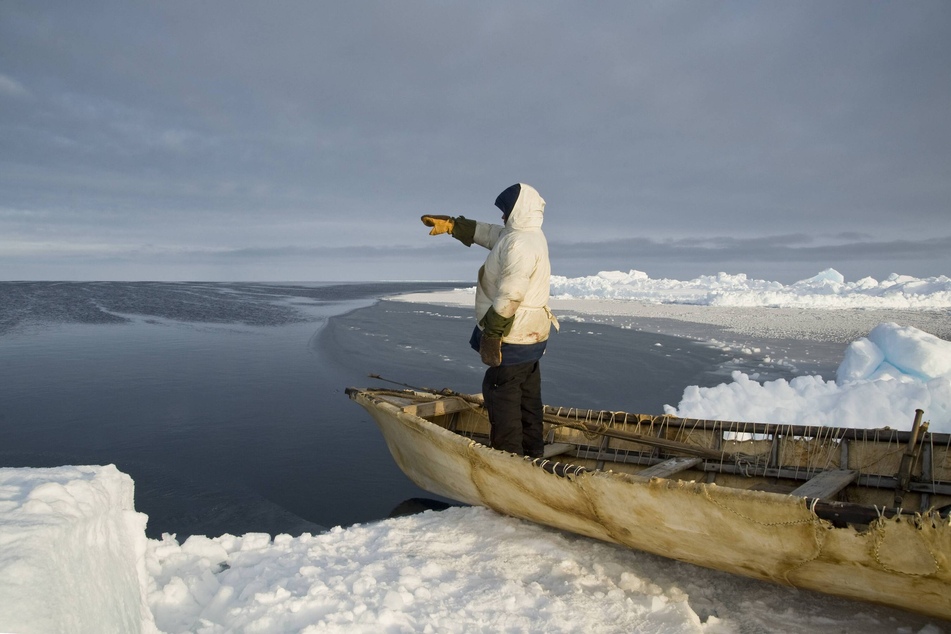
Alaska is home to 229 federally recognized Indigenous tribes – more than in any other state in the US.
But according to Ambassador Ronald Barnes of the Indigenous Peoples and Nations Coalition, the people belonging to those communities did not have the right to choose whether they wanted to be part of the United States or not. Instead, US occupation was imposed upon them.
Barnes and others have turned to international law to assert Alaska Natives' right to self-determination and remedy that grave injustice.

Inspired by fellow Indigenous activists who championed non-violent civil resistance, Barnes has brought his message all the way to the United Nations, where he has become well known for his relentless advocacy on behalf of Alaska Natives.
During the UN Committee on the Elimination of Racial Discrimination's 2022 review of the United States, Barnes was one of the civil society representatives who testified on the US' failure to meet racial justice obligations outlined in the International Convention on the Elimination of All Forms of Racial Discrimination.
At those meetings, Barnes once again argued that there is a clear case of apartheid in Alaska, as administered by the US government.
Breaking down Alaska's colonial history
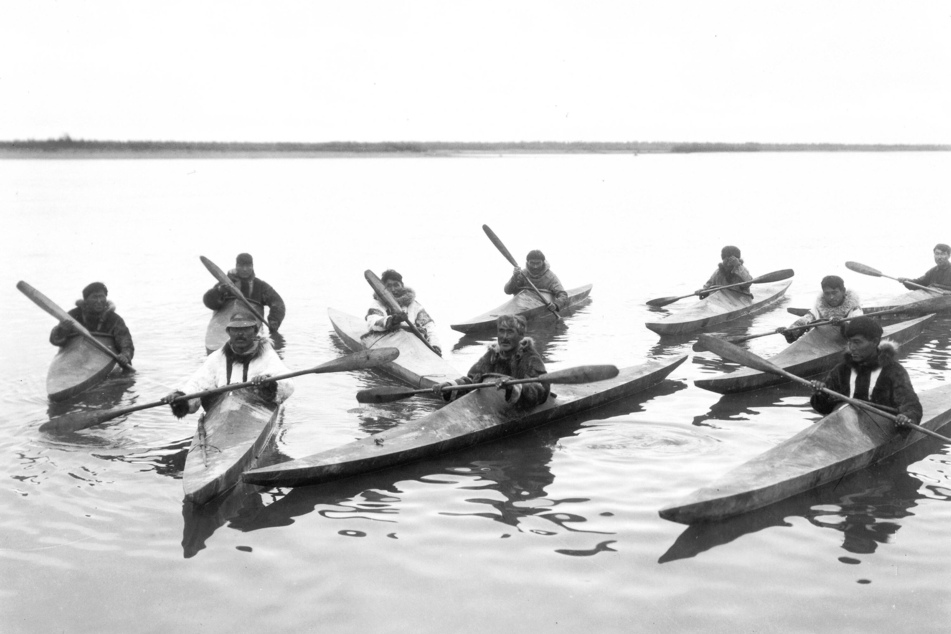
To make his case, Barnes has collected evidence of the US' occupation of Alaska, tracing back to disputes with the Russian Empire over control of the region's lucrative fur trade.
Russia wanted to take over Alaska so it could regulate all the trade, Barnes told TAG24 NEWS during an interview in Geneva. According to his CERD report, the US in diplomatic communications between 1822 and 1824 affirmed its rights to trade with Indigenous communities, which it said Russia could not bar were those Natives to be regarded as "independent tribes."
The empire acknowledged in an 1867 memorandum that the Russian American Company, whose claims consisted largely of coastal settlements and trade posts, "hardly ever penetrated into the interior of the continent, and, owing to the wild character of its inhabitants, never established any settlements."

Despite the questionable nature of Russia's claims, the US government eventually agreed to buy Alaska in 1867, with then-Secretary of State William Seward paying $7.2 million for the territory.
Indigenous Peoples were not involved in negotiations when the deal was made, nor did they consider their land for sale to foreign powers.
"What you heard in history is simply a treaty ceding Alaska from Russia to the United States – Seward's folly," Barnes laughed, noting that in actuality, it was "really not a legal purchase."
The Alaska statehood vote and Indigenous self-determination

Since that time, the US has used a series of judicial and legislative procedures to consolidate power over the region.
Barnes points to the 1823 Johnson v. McIntosh Supreme Court ruling which states that Native tribes did not have the absolute rights to their land, classifying Indigenous groups as "a people over whom the superior genius of Europe might claim an ascendancy."
The Tee-Hit-Ton v. United States of America case in 1955 drew on that precedent and explicitly stated that the "dominant purpose of the whites in America was to occupy the land," while holding that the Tee-Hit-Ton people were not entitled to compensation for the US' taking of timber from lands in and around the Tongass National Forest.
Barnes said those decisions "created a standard that Indigenous Peoples are disposable and don't have rights as human beings."
The ambassador sees the 1958 statehood referendum, which he described as a "sham," as a continuation of racist practices in Alaska.
Members of the US military, who were mostly residents of other states, were allowed to vote in the referendum – in clear violation of international standards of the time which still stand today, Barnes said. He added that many Indigenous Alaskans were barred from participating due to discriminatory literacy tests, while some allegedly faced physical threats and outright violence at polling sites.
Alaska had a long history of discriminatory laws to disenfranchise Native people. For example, a law instituted in 1915 required at least five white people to vouch for an Indigenous person's competence before they could cast their ballot.
"[Indigenous Peoples] didn't vote. Your military and your citizens voted. Why were you able to do that and say, 'Oh, it's a melting pot'?" Barnes said of the 1958 referendum. "You cannot do that to foreign territory under international law and the right to self-determination."
"The apartheid is there" in Alaska
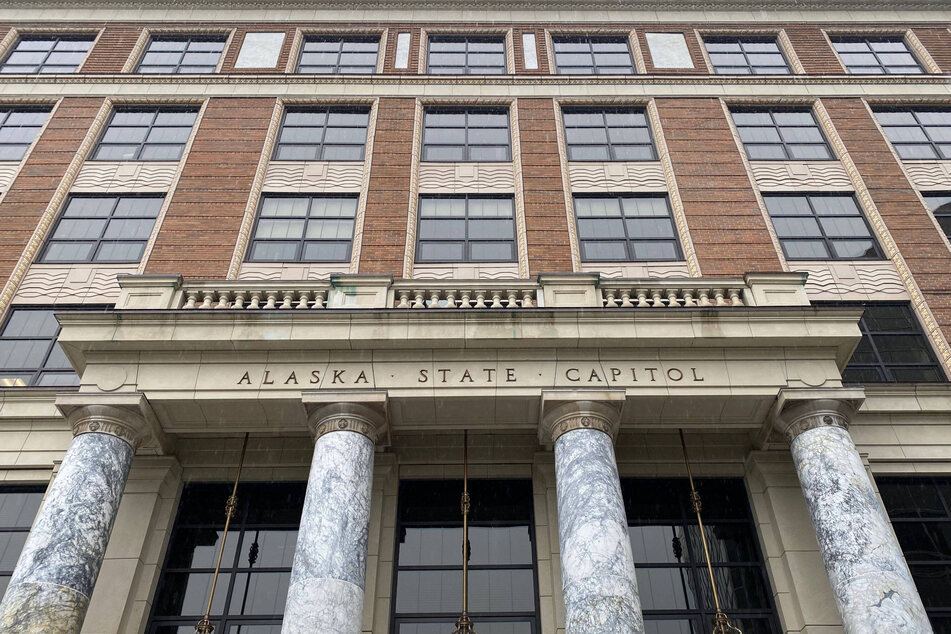
Just as the statehood vote allegedly excluded many Alaska Native voices, the state constitution was also drafted largely without Indigenous participation or consent, Barnes said.
The delegates who wrote the state constitution came from the US and Europe, and most died and were buried outside Alaska, he explained. Territorial legislator Frank Peratrovich was the only Alaska Native of the 55 delegates to the constitutional convention.
"It's like a hit-and-run," Barnes said, "but those laws apply."
The legacy of white supremacy and Indigenous oppression is still apparent to this day. Alaska Natives continue to experience gross disparities in wealth, housing, health, education, environmental conditions, and incarceration rates, as powerful interests profit off the region's rich natural resources.
Historically, there has been a strict social divide between Alaska Natives and white US settlers and their descendants. Though he has been living in Geneva for the last 20 years, Barnes said he remembers seeing signs with messages like "No Dogs, No Natives" in restaurants and "Help Wanted Whites Only" outside businesses in Alaska.
"The apartheid is there," Barnes insisted. "It exists as a part of how they handle property rights and create law and policy."
Fighting to reinstate Alaska to the list of Non-Self-Governing Territories
At the 2022 CERD convention, Barnes once again urged the body to transmit the Indigenous Peoples and Nations Coalition (IPNC) report to the UN Decolonization Committee for review.
After the statehood decision, Alaska, along with Hawaii, was removed in 1959 from the UN's list of Non-Self-Governing Territories (NSGTs), which are defined as "territories whose people have not yet attained a full measure of self-government."
The list was developed as a part of the UN's initiative to end colonial subjugation and extend self-determination to all peoples. There are currently 17 recognized NSGTs in the world, including three governed by the United States: Guam, American Samoa, and the US Virgin Islands.
In recent decades, Barnes and his allies have been fighting to get Alaska back on the list, and they believe they have a strong case for reinstatement given the US' documented history of racism toward Native communities.
Barnes isn't the only one at the UN to acknowledge this painful history. Alfred M. de Zayas, former UN independent expert on the promotion of a democratic and equitable international order, issued a 2018 memo declaring Alaska an apartheid state and the denial of Indigenous self-determination a crime against humanity.
Adding Alaska back to the NSGT list would be the first step toward acknowledging the dehumanization Indigenous Peoples continue to experience under colonial rule, Barnes said.
Facing US resistance in the struggle for self-determination
Barnes is up against a formidable opponent in the fight for Indigenous sovereignty. As a major source of oil and a strategic buffer zone with Russia, Alaska is a colonial possession the US won't let go of easily, he acknowledged.
Nevertheless, Barnes has continued to call on the UN to support Alaska's decolonization, often at great personal risk.
The US' response to his efforts has been nothing short of criminal, Barnes said. He has faced death threats, stake-outs, and threatening phone calls.
Affidavits seen by TAG24 show that bullet holes were found in the walls of Barnes' home in Alaska and the word "Kill" was carved into his porch – all in an attempt to scare him into silence.
The US hasn't reserved its heavy-handed tactics just for Indigenous advocates.
Barnes insists that diplomats around the world are aware of Alaska's problematic omission from the NSGT list. He says many are too scared to stand up against the US, whose representatives have allegedly bullied and threatened CERD members to prevent the committee from implementing its own rules and procedures.
Moving forward with vision
At this year's US review, CERD did not deny that it has the power to forward the IPNC petition to the Decolonization Committee, but it doesn't appear prepared to take that step.
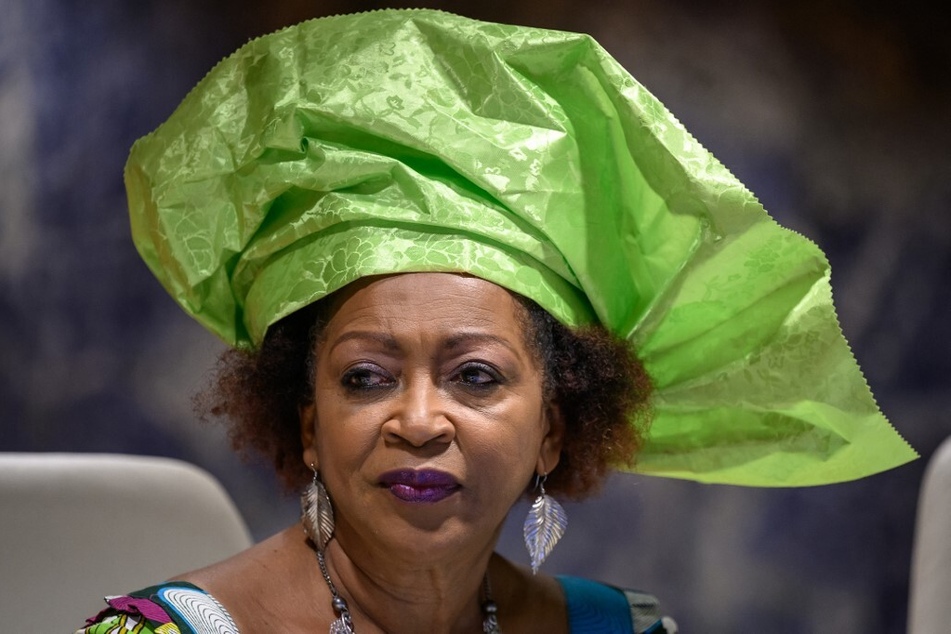
"Our recommendation is that Alaska and Hawaii and the activists who approached us and lobbied should take their case to the Decolonization Committee, which meets in New York," CERD Chair Dr. Verene Shepherd told TAG24 in a Tuesday press conference.
"The Decolonization Committee is the proper mechanism and procedure for the activists because if they agree to hear petitions from those who are concerned with this issue, then they will be granted a hearing."
Though CERD will not transmit the report, which would have provided a powerful boost, Barnes nevertheless called the committee's response "encouraging," saying it validates Indigenous advocates' concerns over legitimate violations of the decolonization process. He also pointed to the recent passage of Human Rights Council Resolution 48/7, which calls on UN bodies and agencies to do everything in their power to address the negative impacts of colonialism, as a significant step forward in the decolonization fight.
Though the struggle for Alaskan Indigenous self-determination may be a long one, Barnes says he will not back down because his mission was passed down from a higher power.
"I really had a vision where you look and you see, but what is in front of you is a vision granted you by the Creator, by God. The message was to get into this [fight for decolonization], but to do it with unconditional love and without violence," Barnes shared.
"No matter how angry or how challenging it gets with your emotions, you cannot use violence because the message is, you are not going to win if you do."
This article has been updated to clarify when statements were taken from an interview with Ambassador Barnes or his reports to the UN provided by him. It has also added context around the diplomatic communications between Russia and the US, the 1955 Tee-Hit-Ton case, and the history of Alaska voting laws. The article has been updated to note Frank Peratrovich's participation in the constitutional convention.
Cover photo: IMAGO / agefotostock