


Iran launches satellites into space from Russia amid nuclear concerns
Tehran, Iran - Iran launched three domestically built observation satellites into space from Russia on Sunday, state television reported, marking a new step for Tehran's space program despite Western sanctions.
The country maintains that its aerospace industry is peaceful and complies with UN Security Council resolutions imposed over its nuclear program.
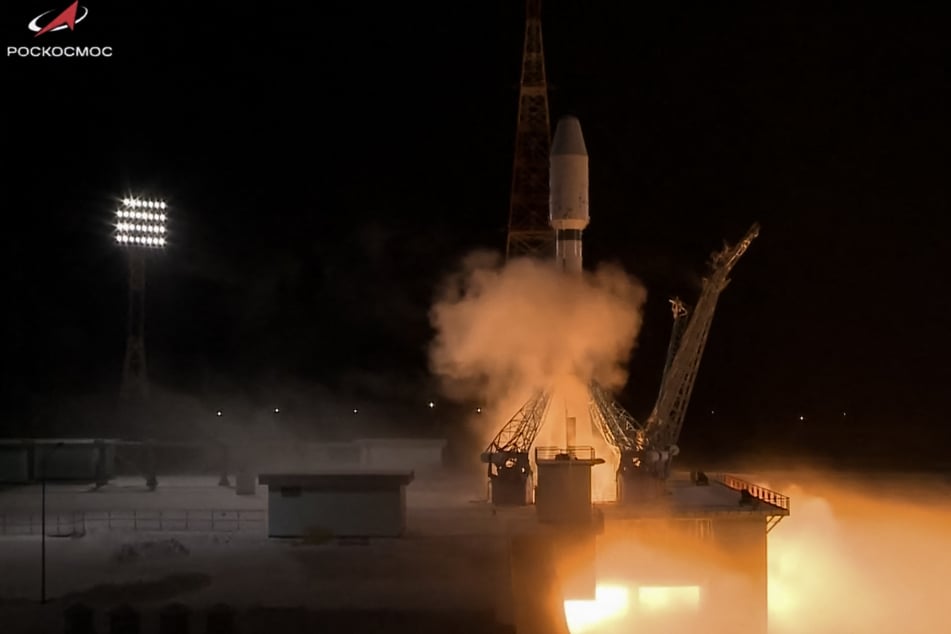
"Three Iranian satellites, Zafar-2, Paya, and Kowsar 1.5, were launched into space by a Soyuz rocket from the Vostochny Cosmodrome in Russia," Iranian television reported.
The satellites were to be used for "observation" and were designed by "the private sector", the official IRNA news agency said.

Paya is Iran's most advanced domestically produced imaging satellite, using artificial intelligence to improve image resolution, IRNA said.
It said the satellite would focus on water resource management, environmental monitoring, and mapping.
The Russian Soyuz launcher was chosen because it is one of the most reliable in the world for transporting sensitive satellites, according to the Fars news agency.
Iran has carried out 10 satellite launches in the last two years, including one in July from the same launch site in Russia.
Western countries fear that these satellite launch systems incorporate technologies interchangeable with those used in ballistic missiles, potentially capable of carrying a nuclear warhead.
Tehran denies those accusations and refutes that it is trying to acquire nuclear weapons.
Cover photo: Handout / Russian Space Agency Roscosmos / AFP