

Senate sinks dueling healthcare plans as millions struggle under rising premiums
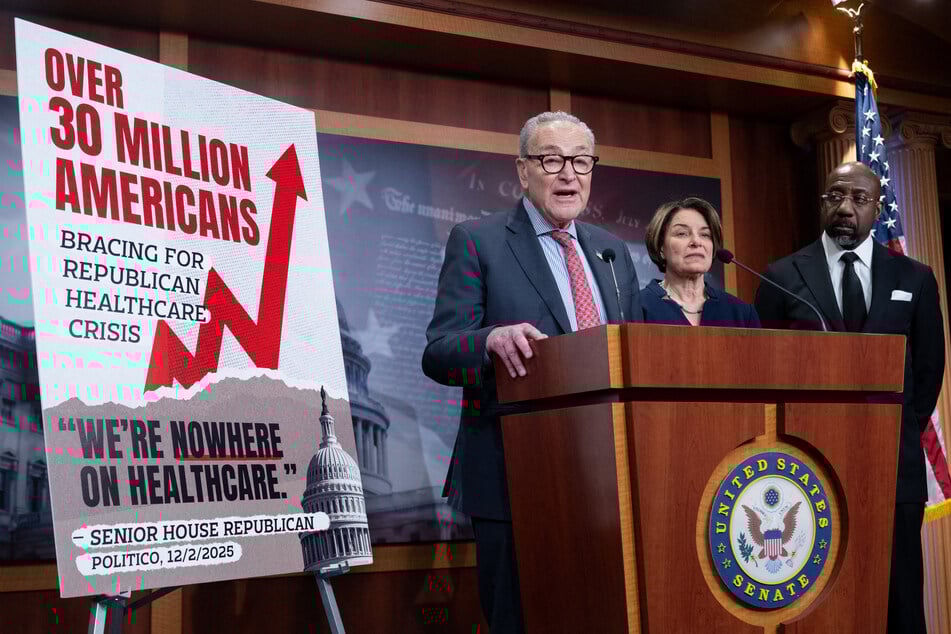
Washington DC - Millions of Americans are bracing for soaring healthcare costs after the US Senate on Thursday rejected rival Republican and Democratic plans to avert the expiry of key insurance subsidies – a fight set to dominate next year's midterm elections.
President Donald Trump has remained largely disengaged from Capitol Hill negotiations, according to lawmakers in both parties, reluctant to spearhead a major healthcare push and declining to endorse any credible proposal to address the crisis.
Without action in the next three weeks, insurance payments for more than 20 million low- and middle-income Americans are projected to more than double, raising the political stakes as Washington edges into a campaign season defined by cost-of-living pressures.
Democrats were promised a vote on a three-year extension of enhanced Affordable Care Act (ACA) subsidies as part of a deal that ended a record 43-day government shutdown last month.
While Republican Majority Leader John Thune agreed to hold the vote, he had not promised its success, and Republicans were almost unified in opposition.
Under pressure from moderates and senators up for reelection, Thune had also agreed to bring forward a Republican alternative for a vote alongside the Democratic bill.
This plan would have replaced subsidies with contributions to Health Savings Accounts to help cover out-of-pocket expenses.
But reaching the 60-vote threshold in the 100-seat Senate always looked like a long shot, with only 53 Republicans making up the majority – and Democrats duly blocked the bill.
The average payment is expected to rise by roughly 114% – an extra $1,000 to $1,500 in annual premiums for a typical family, according to health policy research group KFF.
Cover photo: SAUL LOEB / AFP