

Supreme Court appears set to approve expansion of presidential powers in new escalation
Washington DC - The US Supreme Court appeared likely on Monday to back a bid by Donald Trump to expand presidential powers and curtail the independence of federal agencies.
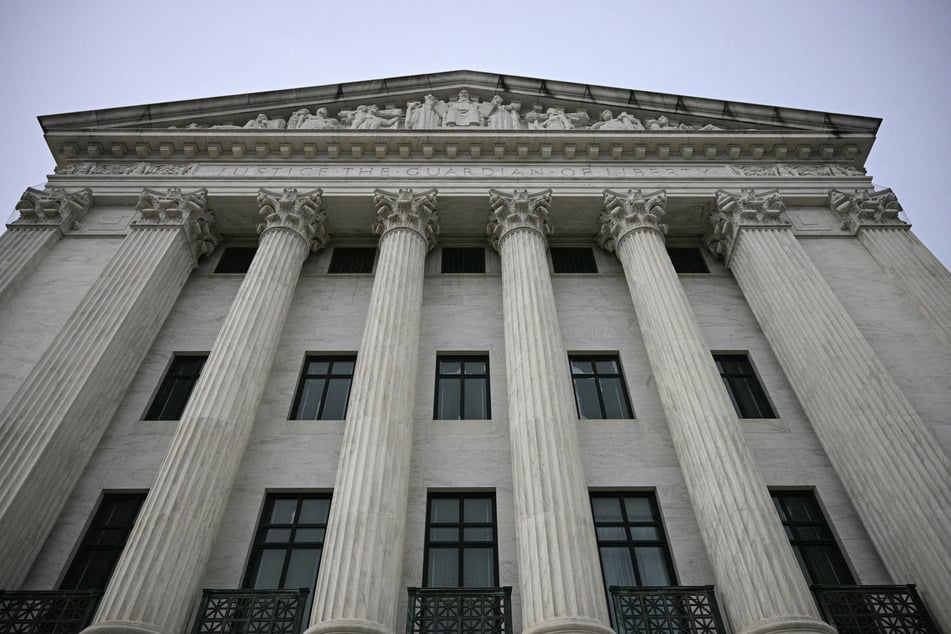
The case before the top court stems from the Republican president's firing of Rebecca Slaughter, a Democratic member of the regulatory Federal Trade Commission (FTC).
Slaughter was dismissed without cause, and lower courts upheld her claim that the move violated rules Congress put in place to protect the members of independent government agencies.
The Trump Justice Department appealed to the conservative-dominated Supreme Court, and a majority of the justices appeared to side with the administration during oral arguments on Monday.

Solicitor General John Sauer, representing the administration, urged the justices to overturn a landmark 1935 ruling known as "Humphrey's Executor" that prevented then-President Franklin Roosevelt from dismissing a member of the FTC.
Chief Justice John Roberts, a conservative, referred to "Humphrey's Executor" as a "dried husk" during two-and-a-half hours of oral arguments and said the FTC today is significantly more powerful than it was in the 1930s.
Sauer said the current situation amounts to a "power vacuum" and the president, as chief executive, should have the authority to remove members of the FTC and the two dozen other similarly structured independent agencies at will.
"The real world consequences here are human beings exercising enormous governmental authority with a great deal of control over individuals and businesses... who ultimately do not answer to the president," Sauer said. "We think the text of the Constitution confers the executive power, all of it, on the president."
The three liberal justices on the nine-member court expressed concerns that a ruling in the president's favor would vastly increase the powers of the executive and strip independent agencies of protections from political influence.
"The result of what you want is that the president is going to have massive, unchecked, uncontrolled power," Justice Elena Kagan told the solicitor general.
The FTC's primary function is to protect the American public against deceptive or unfair business practices, and it has taken on Apple, Amazon, Google, and Facebook parent Meta over how they wield market power.
Cover photo: JIM WATSON / AFP